
The State Bank of India (SBI) has reported a suspected data exposure involving customer information found on the dark web, raising concerns about the potential misuse of personal information in targeted phishing and impersonation attempts.
In its disclosure dated October 21, 2026, SBI stated that a preliminary analysis of approximately 375,000 records available on the dark web had identified 3,897 customer records containing personally identifiable information (PII). The bank said it received alerts about the suspected exposure on October 16 from its threat intelligence service provider, the Defence Cyber Agency and the Indian Computer Emergency Response Team (CERT-In).
The information reportedly included customers' names, dates of birth, registered mobile numbers, email addresses, residential addresses, branch and Customer Information File (CIF) identifiers, lead IDs, and metadata associated with loan and lead records.
SBI activated its cyber incident-response and containment procedures and engaged an independent CERT-In-empanelled cybersecurity agency to investigate the incident. The bank also stated that the incident had no material impact on its core business operations, financial performance or business continuity. The investigation was intended to establish the authenticity, source and extent of the suspected exposure.
Although the disclosure does not establish that the exposed information has been used in phishing attacks, the incident highlights a significant security concern: personal information can potentially help criminals make fraudulent communications more convincing.
For customers and organisations alike, this is a reminder that email security requires more than recognising suspicious-looking messages. It also requires effective controls to identify impersonation, malicious links and other indicators of email-borne threats.
How Exposed Customer Information Could Be Used in Phishing Attacks
Phishing is a cyberattack in which criminals use deceptive emails, messages or websites to persuade people to disclose sensitive information, reveal credentials or perform actions that compromise their security.
When attackers obtain personal information, they may use it to create targeted messages that appear more credible than generic phishing attempts. A fraudulent email containing a recipient's correct name, mobile number or other familiar details may appear legitimate, even when it originates from an untrusted source.
For example, a customer could receive an email claiming that their bank account requires verification or that immediate action is needed to maintain access to banking services. The message might contain personal details to establish familiarity and a link to a fraudulent website designed to collect login credentials.
Criminals may also combine exposed information with details obtained from social media, previous data leaks or other publicly available sources to build a more convincing narrative.
These are potential attack scenarios, not confirmed phishing campaigns linked to the SBI incident. The investigation has not established that the exposed information has been used in this way.
The broader lesson is that personalisation should never be treated as proof of authenticity. A message can contain accurate personal information and still be fraudulent.
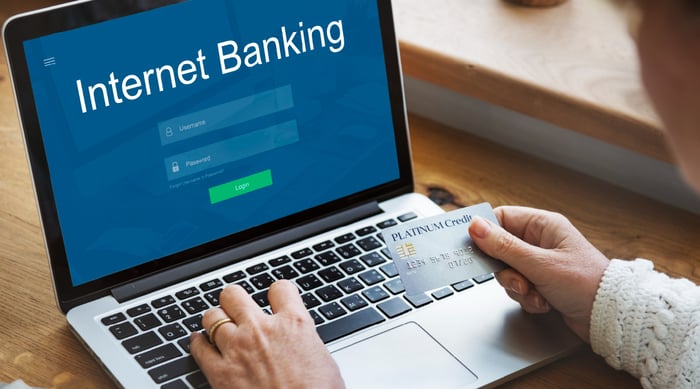
Fake Password Updates and Account Verification Requests
One common phishing technique involves creating urgency around account access.
Fraudulent messages may claim that an account will be suspended, a transaction will be blocked or a security issue must be resolved immediately. The recipient is then encouraged to click a link, provide credentials or disclose confidential information.
Attackers may imitate a bank's branding, use similar-looking sender names or construct website addresses that resemble legitimate banking domains.
In more targeted campaigns, personal information can make these messages appear more credible. A recipient who sees their name or other familiar details may be less likely to question the request.
Customers should therefore avoid clicking links in unexpected banking emails, particularly those requesting passwords, PINs, OTPs or other sensitive information.
Instead, they should access their banking services through the official mobile application or by independently navigating to the bank's verified website. Any unusual request should be confirmed through official customer-service channels.
Warning Signs Customers Should Not Ignore
Modern phishing emails can be professionally written and visually similar to legitimate communications. Recognising a threat therefore requires looking beyond spelling mistakes or poor formatting.
Personalised messages: Correct names, contact details or other familiar information do not establish that an email is genuine.
Urgent account warnings: Threats of account suspension, unexpected security alerts or pressure to act immediately may be intended to bypass careful decision-making.
Suspicious links: A link may redirect the recipient to a fraudulent website designed to capture credentials or other confidential information.
Sender impersonation: Attackers may imitate a bank, a trusted individual or a legitimate business domain to make their communications appear authentic.
Unexpected requests for sensitive information: Requests for passwords, PINs, OTPs or confidential banking details should be treated with caution.
Unusual communication patterns: An unexpected request that differs from normal banking procedures deserves independent verification, even if the message appears authentic.
Customers should verify unexpected requests through trusted channels rather than relying on an email's appearance, sender display name or knowledge of their personal information.
How Customers Can Protect Themselves
Customers should remain alert to unexpected messages claiming to come from SBI or another financial institution, particularly those requesting account verification, password updates or confidential information.
- Avoid suspicious links: Do not follow unexpected links to update passwords or verify accounts. Access banking services through the official application or a verified website.
- Verify the sender: Examine the complete sender address and check unusual requests independently. Remember that sender addresses can also be spoofed.
- Protect your credentials: Never disclose your password, PIN or OTP in response to a suspicious email or message.
- Monitor account activity: Review transactions and promptly contact your bank if you notice unfamiliar activity.
- Report suspicious messages: Use the bank's official reporting channels to flag potentially fraudulent communications.
- Act quickly if credentials are compromised: Contact your bank immediately if you have entered credentials on a suspicious website and follow its instructions to secure your account.
The central principle is simple: accurate personal details do not make an email trustworthy. Verification through an independent, official channel is safer than responding directly to an unexpected message.
Why Organisations Need Stronger Email Security
The SBI incident highlights how the potential consequences of exposed personal information can extend beyond the original exposure. Information that becomes available to criminals could potentially be used in targeted fraud, impersonation and social-engineering attempts.
For organisations, the challenge is not limited to protecting sensitive data at rest. Security teams must also consider how criminals might exploit that information to target employees, customers, suppliers and business partners.
An effective email-security strategy should combine multiple layers of protection.
Sender authentication and domain protection: SPF, DKIM and DMARC help organisations authenticate legitimate sending infrastructure and reduce certain forms of domain spoofing. However, these controls do not prevent every impersonation attempt, particularly when attackers use lookalike domains or compromised legitimate accounts.
Advanced threat detection: Email-security controls should analyse suspicious message characteristics, sender behaviour, URLs and attachments to help identify phishing and other email-borne threats.
Malicious link and attachment analysis: Security systems should inspect potentially dangerous links and attachments using the detection and analysis capabilities supported by the organisation's security platform.
Identity and access controls: Multi-factor authentication, least-privilege access and strong account-security policies can help reduce the impact of stolen credentials. Organisations should also monitor for suspicious sign-ins and unusual account activity.
Security awareness and incident response: Employees need clear procedures for reporting suspicious messages. Security teams should have a defined process for investigating reports, assessing potential exposure and responding to confirmed threats.
Organisations using Microsoft 365 should also assess how their existing security controls work together, identify gaps in protection and determine whether additional email-security capabilities are needed.
No single control can address every threat. A layered approach that combines email security, identity protection, user awareness and incident response can help organisations reduce risk and improve their ability to respond to evolving attacks.
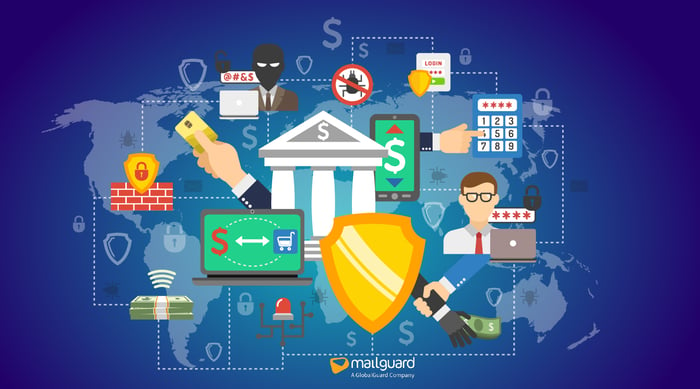
How GlobalGuard MailGuard Helps Strengthen Email Protection
GlobalGuard MailGuard helps organisations strengthen their email defences against phishing, sender impersonation, malicious links and harmful attachments.
Its email-security capabilities are designed to analyse email content and identify potential threats. AI-enhanced detection capabilities can support the identification of suspicious patterns alongside other security controls.
MailGuard also supports the scanning of potentially dangerous links and attachments to help identify malicious content. These capabilities can form part of a broader email-security strategy focused on reducing exposure to email-borne threats.
For organisations assessing their existing email defences, the objective is to understand how detection, protection and incident handling work together.
This includes evaluating how suspicious messages are identified, how potential threats are investigated, how users report concerns and how security teams respond when further action is required.
GlobalGuard's 24/7 service desk provides human-supported assistance for reported issues, helping customers investigate concerns and work towards timely ticket resolution.
For organisations using Microsoft 365 or other business email platforms, MailGuard can be evaluated against existing security controls to understand its fit within the wider security environment. The appropriate deployment and protection capabilities should be assessed against each organisation's requirements.
No email-security solution can eliminate every cyber risk. However, combining appropriate technical controls with informed users and effective incident-response procedures can help organisations strengthen their resilience against email-based threats.
Protect Customer Trust Through Stronger Email Security
The SBI data exposure is a reminder that the potential consequences of exposed personal information can extend beyond the initial incident. While the available reporting does not establish that the information has been used in a related phishing campaign, customers should remain cautious of unexpected messages requesting account verification, credentials or sensitive information.
For organisations, the incident reinforces the importance of treating email security as part of a broader cybersecurity strategy. Protecting customer information, reducing impersonation risks and responding effectively to suspicious communications all contribute to stronger digital trust.
GlobalGuard MailGuard helps organisations strengthen their email defences against phishing, impersonation and other email-borne threats.
Strengthen Your Email Security with GlobalGuard
Is your organisation confident that its existing email-security controls can identify suspicious messages, malicious links and impersonation attempts?
Connect with GlobalGuard to discuss your email-security requirements and explore how MailGuard can complement your existing security environment.
Book a MailGuard Demo
Speak with our team to explore the platform's capabilities, assess your requirements and identify opportunities to strengthen your organization's email defence.
COMMENTS